
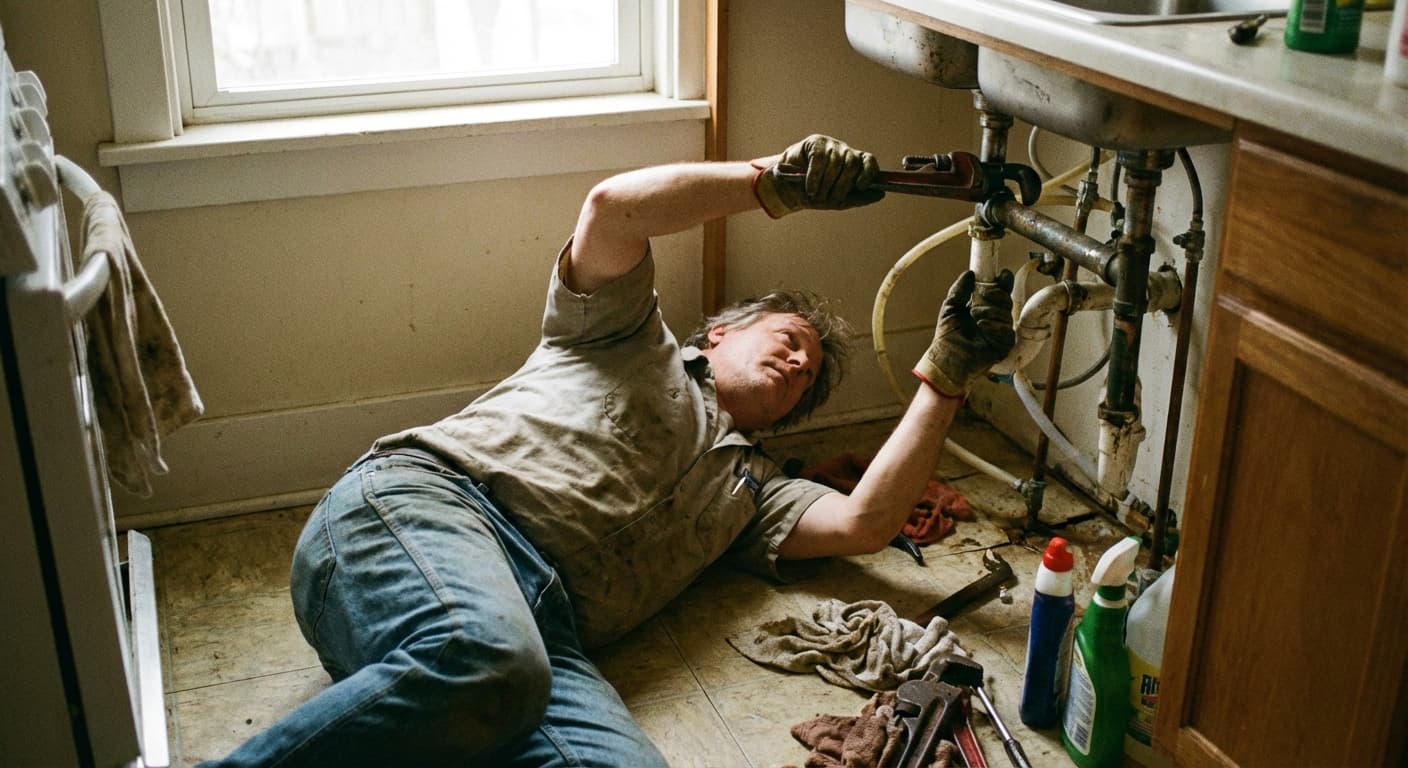
Water Heater Installation
Tank and tankless water heaters installed by licensed plumbers. Old unit removal included. Free estimates.

Good · Better · Best
Water Heaters We Install
Real models we install across the GTA, Barrie & Simcoe County — pick the tier that fits, and we confirm the exact unit at your free quote. No pressure, no upselling.
Water Heaters
Three good options, depending on your priorities: a proven storage tank, an endless-hot-water tankless, or a heat-pump (hybrid) unit that runs on a fraction of the energy.
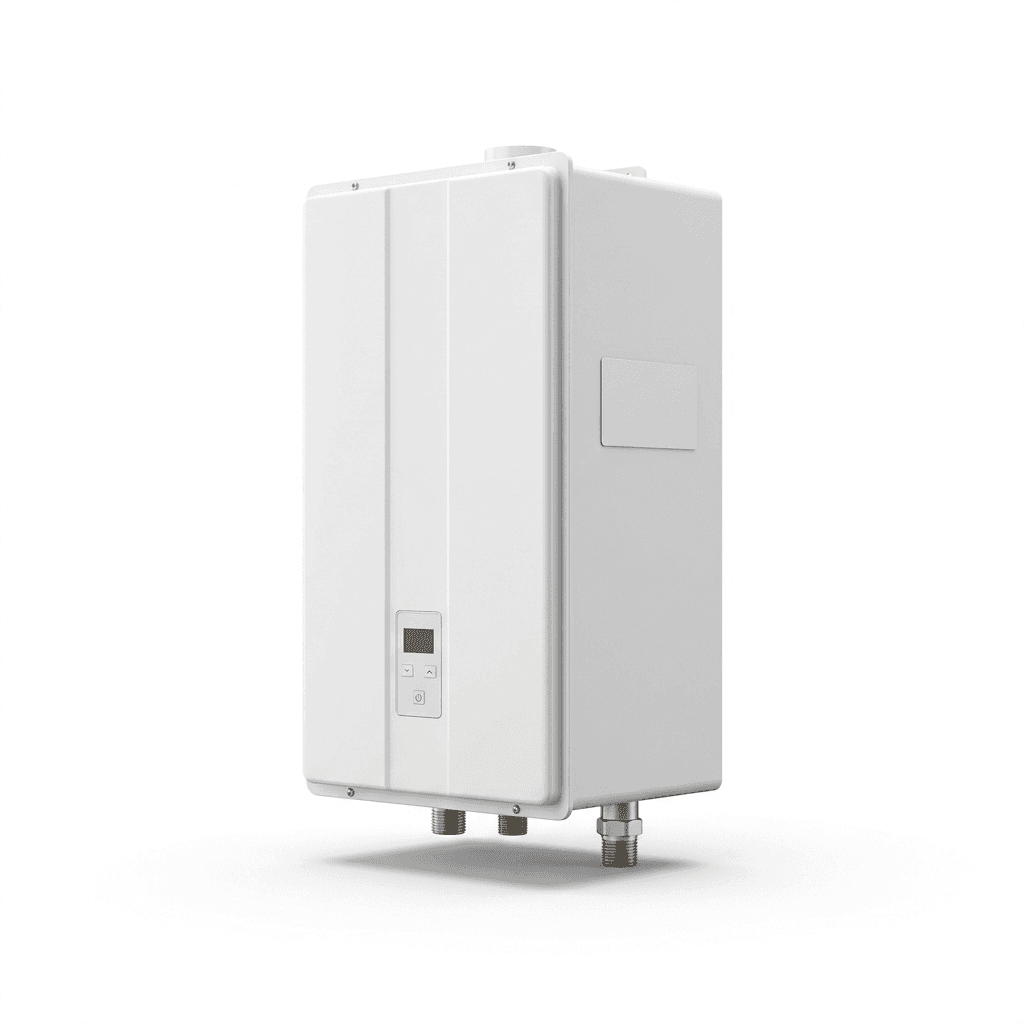
Never run out of hot water, and reclaim the floor space a tank takes. The built-in recirculation pump kills the cold-water sandwich. Sized for Ontario winters so flow holds up in January.
- Efficiency
- 0.95 UEF, condensing
- Flow
- Up to 11.2 GPM
- Comfort
- Built-in buffer + recirc pump (no cold-water sandwich)
- Best for
- Endless hot water and space savings
Power-Vent Tank
Bradford White RG2PV40S6N
40 gal
Tank
The dependable, fast-recovery gas tank — our standard install.
Condensing Tankless
Navien NPE-240A2
0.95
UEF
Endless hot water, space savings, and instant-hot recirculation.
Hybrid Heat-Pump
Rheem ProTerra
4.07
UEF
A fraction of the energy of a standard tank.
We size every system to your home (CSA F280) and confirm the exact model at your free in-home quote.
When a water heater goes — rusty water, rumbling, a puddle at the base, or it just stops keeping up — the question isn't only how fast we can get you hot water again. It's which of three setups is the right one for your home for the next decade. Most people only do this once or twice, so here's the straight version of each, who it suits, and the honest trade-offs.
There are three real choices: a storage tank, a tankless unit, and a heat-pump (hybrid)water heater. None of them is the “best” in the abstract — the right one depends on your fuel, your basement, how your household uses hot water, and how long you plan to stay. We install all three across the GTA to Barrie, so we have no reason to push you toward one.
The Three Choices
1. Storage tank — the proven default
A tank keeps a reservoir of hot water ready to go and reheats it as you draw it down. It's the lowest-upfront option and the one most gas-heated homes replace straight across with. Gas tanks reheat fast — handy for a busy household that pulls a lot of hot water in a short window — and keep working in a power outage. Electric tanks fit where there's no gas service or no way to vent a gas appliance; they're simpler to install but recover more slowly. For a tank, the spec that actually matters isn't the gallon size on the label — it's the First Hour Rating: how much hot water it can deliver in the first hour of heavy use. That figure combines tank size with reheat speed, which is why a fast gas 40-gallon can out-deliver a slow electric 50.
2. Tankless — hot water on demand
A tankless unit heats water only as it flows, so it never runs out partway through a shower and there's no tank sitting there losing heat all day (no standby loss). It wall-mounts and frees up the floor space a tank takes. A modern condensing gas tankless is the usual pick. The thing to understand is that it has a flow limit measured in gallons per minute at a given temperature rise — run too many fixtures at once and an undersized unit lets the temperature sag. If you want hot water the instant you open the tap instead of waiting for it to travel from the unit, a recirculation pump solves that. A switch from a tank to tankless sometimes needs a larger gas line to feed the burner; we check that before we quote.
3. Heat-pump (hybrid) — the efficient electric option
A hybrid water heater pulls heat from the surrounding air to warm the water rather than running a resistance element, which makes it roughly two to four times more efficient than a standard electric tank. The running cost is the lowest of the three. The requirement is space: it needs an open basement area with room to breathe, because it blows out cooler air and needs a condensate drain — a tight closet won't work. It's the strongest choice for a home without gas.
Own it or keep renting it?
A lot of GTA homes still run on a rented tank — an Enbridge or Reliance unit that came with the house, sometimes rented for years without anyone deciding to. It's worth a straight look, because the long-term cost difference is real.
Renting is hands-off. If it fails, the rental company replaces it and you pay nothing for the equipment. The trade-off is that the monthly rental never ends — over the years a tank lasts, that adds up to well more than the unit is worth. Owning is the opposite shape: you pay once upfront (or finance it), and then the monthly bill stops for good.
If you're staying in the home, buying almost always wins over time. If you might move soon, it's closer. Either way, we can put both options side by side at the quote — including what it takes to buy out an existing rental — so you can decide on the numbers, not on which letter showed up in the mail.
Sizing it right — and the Ontario winter catch
We size to your peak demand, not your person count. The load that matters is the worst moment of the day — two showers back-to-back on a weekday morning while the dishwasher runs — not the average. A house of three that all leave at the same time can need more capacity than a house of five that staggers.
On efficiency, the number you'll see is UEF (Uniform Energy Factor) — higher means more of the energy going in ends up as hot water. The one rule: compare UEF only within the same size class, since units are rated under different draw patterns. For tanks, First Hour Rating tells you more about real-world performance than the gallon figure does.
The local trap is tankless sizing. A tankless is rated in gallons per minute, but that rating assumes a certain temperature rise. In summer, incoming water is mild and the unit hits its number. In a Toronto or Simcoe County winter, ground water arrives near 4–7°C, so the unit has a much bigger rise to do — a tankless that does 7 GPM in July can drop to around 4 GPM in January. Size it for summer and it disappoints all winter. This is the most common tankless mistake we see in Ontario, so we always size for a cold-water January, not a warm August.
How long they last, and when to replace
A tank runs about 8 to 12 years, a tankless 15 to 20, and a heat-pump tank around 10 to 15 — the hybrid has more components, which is part of the trade for its efficiency.
On repair versus replace: if a tank is leaking from a fitting or valve, that's often a repair. If the tank body itself is leaking, replace it — always, and don't wait. A leaking tank means the steel has corroded through, and the next step is a split tank flooding the floor. For tankless, the enemy is scale: parts of the GTA and Simcoe County have hard water, and mineral buildup chokes the heat exchanger. An annual descale keeps it healthy and is often required to keep the warranty valid.
Warranties run roughly: tank 6 to 12 years; tankless heat exchanger 12 to 15 years (frequently conditional on proof of that annual descaling); heat-pump tank around 10 years with the sealed system covered 6 to 10. Labour is covered separately by us as the installer. We'll go over the exact terms for whatever unit you choose.
How We Approach Your Install
Storage Tank
The proven default. Gas reheats fast and runs through a power outage; electric fits where there's no gas. We size by First Hour Rating, not just gallons.
Tankless
Heats on demand, never runs out mid-shower, and frees up floor space. We size for a cold-water January so it holds flow all winter, not just in summer.
Heat-Pump (Hybrid)
Pulls heat from the air — two to four times more efficient than an electric tank. Needs an open basement to breathe, and it's the lowest running cost of the three.
Sized to Peak Demand
We size to your worst moment — back-to-back morning showers — not your person count. Undersize and you run cold; oversize and you overpay.
Old Tank Removed
We disconnect, drain, and haul away your old unit as part of every install, and handle the disposal so you don't have to.
Own vs. Rent Math
Still on a rented Enbridge or Reliance tank? We lay out buying versus renting side by side — including buying out the rental — so you decide on the numbers.
Same-Day Available
A leaking tank can't wait — a split tank floods the floor. We offer same-day and next-day replacement so you're not stuck without hot water.
Code Compliant
Every install meets Ontario building code — proper venting, gas connections, expansion tank, and T&P relief valve, checked before we leave.
Our Installation Process
Assessment & Quote
We evaluate your current setup, discuss your hot water needs, and provide a written quote with all costs included — no hidden fees.
Removal & Installation
We remove your old unit, install the new water heater to code, and handle all gas, water, and venting connections.
Testing & Cleanup
We test the system, check for leaks, verify proper operation, and clean up the work area. Everything backed by warranty.
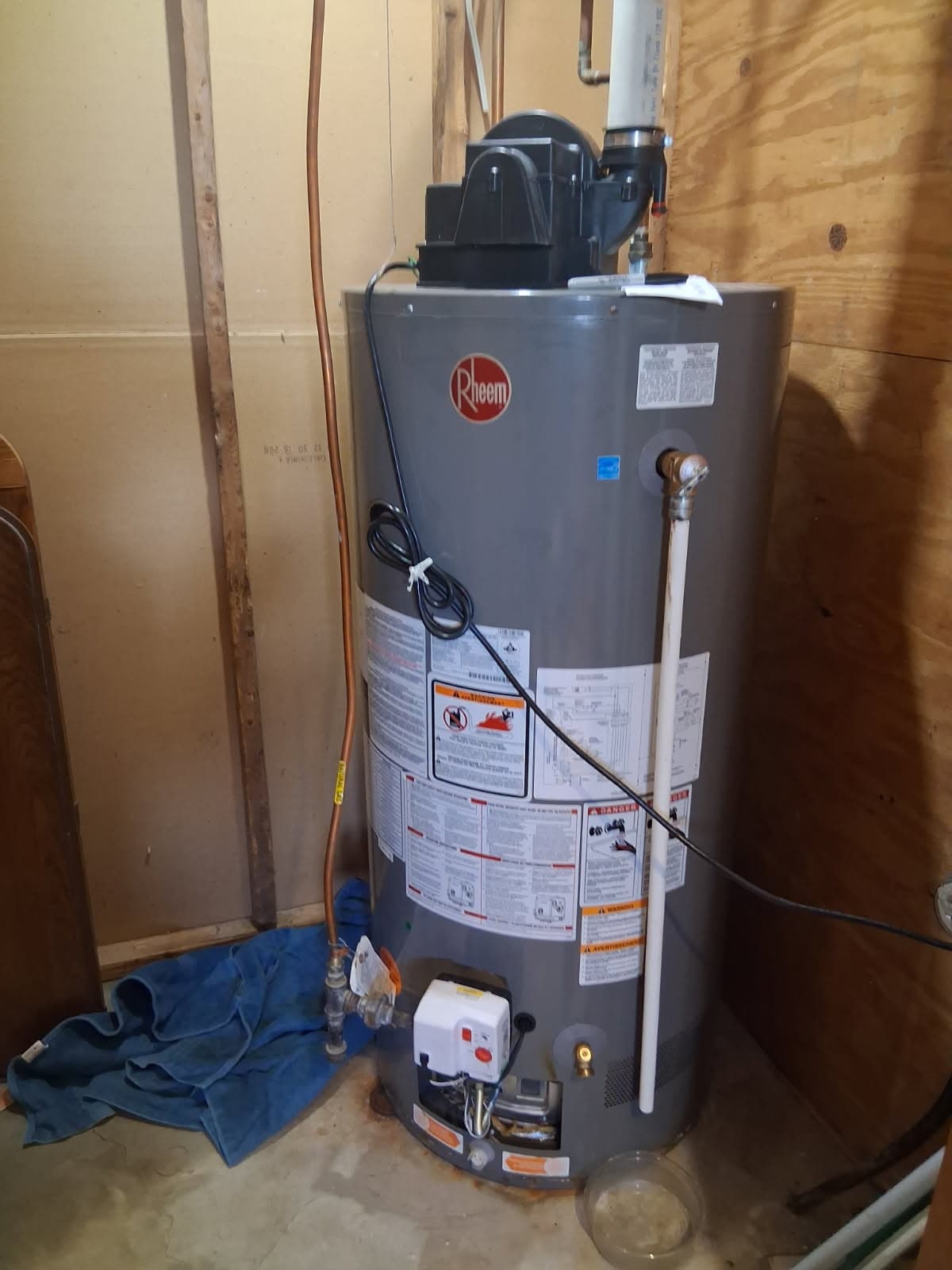
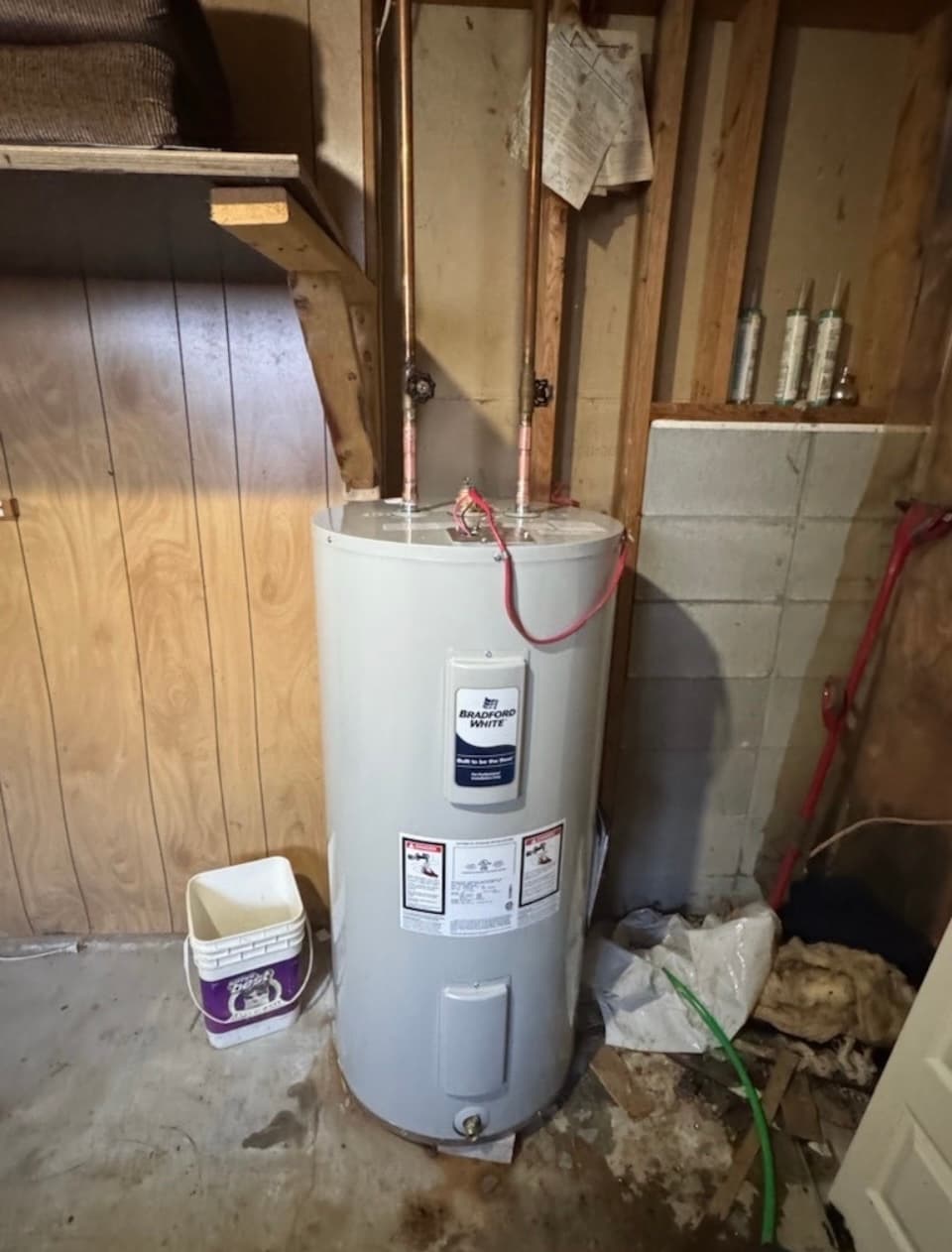
Water Heater Installation — Real Work

Side by Side — Who Each One Suits
A quick scan of the three. We'll match the right one to your home at the free quote.
Storage Tank
- Lowest upfront cost
- Gas reheats fast; works in a power outage
- Electric where there's no gas
- Lasts about 8–12 years
- Best for: a straight gas replacement, tighter budget
Tankless
- Endless hot water; no standby loss
- Wall-mounted — frees up floor space
- Must be sized for winter flow
- Lasts about 15–20 years
- Best for: high or back-to-back demand, long stay
Heat-Pump (Hybrid)
- Lowest running cost — 2–4× an electric tank
- Needs an open basement + condensate drain
- Lasts about 10–15 years
- Best for: homes without gas, lowest bills
Need other plumbing work? See our plumbing repair and drain cleaning services. We also handle plumbing installation and sump pump service.
Get a Plumbing Quote
Fill out the form and we will get back to you shortly. No obligation.
Why Choose Relica Comforts?
- Licensed & insured technicians
- Upfront pricing — no surprises
- 24/7 emergency service
- Free estimates on all installations
- 5.0 stars on Google
Frequently Asked Questions

Need a New Water Heater? Get a Free Estimate.
Call us anytime for emergency HVAC and plumbing service across Barrie, Orillia, and Simcoe County.