
Sump Pump Installation & Repair
Keep your basement dry through Ontario's spring thaw, summer storms, and everything in between. New installs, repairs, and battery backup systems.

Good · Better · Best
Sump Pumps We Install
Real models we install across the GTA, Barrie & Simcoe County — pick the tier that fits, and we confirm the exact unit at your free quote. No pressure, no upselling.
Sump Pumps
A sump pump keeps your basement dry — and a backup keeps it dry when a storm knocks out the power (exactly when you need it most). We size the pump to your water table and discharge run.
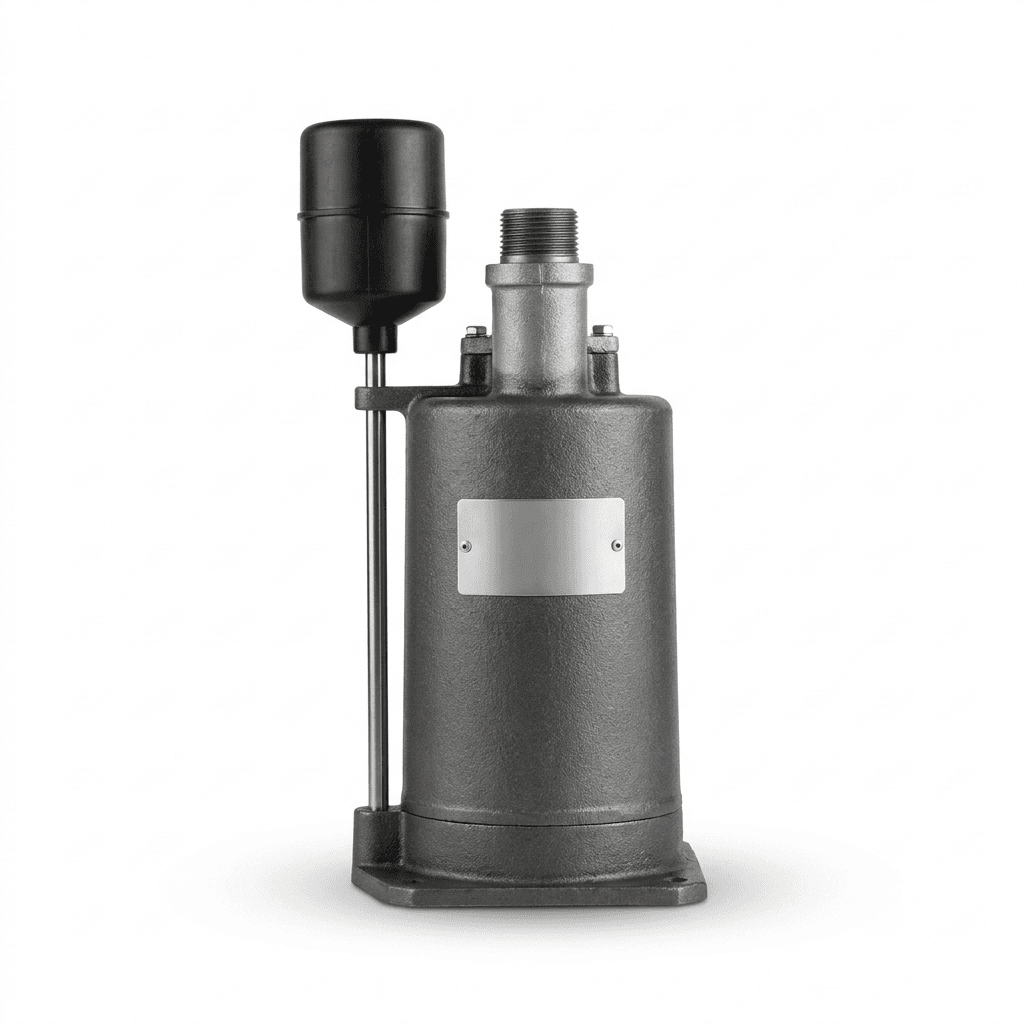
The pump most plumbers trust as the default. All cast-iron construction and a vortex impeller that shrugs off debris — proven reliability for years of service.
- Motor
- 3/10 HP
- Build
- All cast-iron with vortex impeller
- Flow
- About 43 GPM
- Best for
- The proven, go-to primary pump
Submersible Sump Pump
Liberty 257
1/3 HP
Motor
A solid, quiet cast-iron primary pump.
Mighty-Mate Sump Pump
Zoeller M53
3/10 HP
Motor
The industry-standard primary pump — built to last.
Primary + Battery Backup
Zoeller 508 Aquanot + M53
Battery
Backup
Stays running through a power outage — cheap insurance for a finished basement.
We size every system to your home (CSA F280) and confirm the exact model at your free in-home quote.
A sump pump sits in a pit at the low point of your basement, and its only job is to push water back outside before it reaches your floor. Most homeowners never think about it until the night it fails — which, because pumps tend to give out under load, is usually the same night a storm is dumping water into the ground around your foundation. The two real questions are which pump fits your basement, and whether you want a backup for the moment the power or the primary pump quits.
There isn't a single right answer. A small dry suburban lot with a high basement floor needs less pump than a finished basement on a Simcoe County lot that sits low and takes spring melt every year. Below is how the choices actually differ, who each one suits, and what we look at when we size a system at your home.
Submersible or pedestal?
The first choice is the type of pump itself. Both move water; they differ in where the motor sits.
Submersible
The motor sits down in the pit, under the water. It runs quieter, handles more water and a bit of grit and debris without choking, and tends to last longer because it stays cool. The pit also gets a sealed lid, which keeps moisture and radon out of the basement air. This is what we put in most finished basements and most homes that pump regularly.
Pedestal
The motor sits on a shaft above the pit, out of the water. It costs less up front, and because the motor is right there in the open it's easy to see and easy to service. The trade-offs are real: it's noisier, it doesn't move as much water, and it generally has a shorter life. It earns its place in an unfinished basement that only pumps occasionally, or where budget is the deciding factor.
The part most people skip: a backup
Your primary pump runs on house power. The problem with that is timing. The same storm that overwhelms your basement is the one that knocks the power out — heavy rain and a blackout arrive together, which is the exact worst case for a single pump with no backup. If you have a finished basement, we'd rather tell you straight: a backup isn't an upsell here, it's the cheap insurance against an expensive flood claim. There are two ways to do it.
Battery backup
A second pump with its own battery that takes over the moment the power drops. It keeps pumping through the outage, which is precisely when you need it. The catch is the battery: it has its own life and needs replacing every few years, so a battery backup is a system you check on, not one you forget about.
Water-powered backup
This one runs on your municipal water pressure instead of a battery — nothing to charge or replace. It only works where the city water pressure is strong enough to drive it, so it's a town-water option, not a fit for homes on a well. Where it works, it's the lowest-maintenance backup there is.
Which switch the pump uses matters more than people expect. A tethered float swings on a cord and can hang up on the pit wall; a vertical float rides straight up and down in a tighter pit; an electronic switch has no moving float at all, which sidesteps the stuck-float failure that strands the most pumps. We'll match the switch to your pit and how hard the pump works.
What actually makes one pump better than another
There's no single rating on the box that tells the whole story. A few things do most of the work:
- ·Gallons per hour at your lift height. A pump's rated flow drops the higher and farther it has to push water. The number that matters is its GPH at the actual vertical lift and pipe run in your house — not the headline figure.
- ·Motor horsepower. A 1/3 HP pump suits most ordinary basements. We step up to 1/2 HP or more for a high water table, a deep pit, or a long discharge run where the pump fights harder to move each gallon.
- ·Switch reliability. The motor rarely fails first — the switch does. An electronic or quality vertical switch is worth more to you than a slightly bigger motor.
- ·Build. A cast-iron pump body sheds heat and outlasts an all-plastic one. On a pump that may run hard every spring, that difference shows up in years of life.
Sizing isn't guesswork either. We look at how fast water actually enters your pit — driven by your water table and how your lot drains — and at the discharge: the vertical lift up and out, plus the horizontal run away from the house. A check valve on that line stops the column of water from draining back into the pit and re-triggering the pump. Undersize the pump and it can't keep up in a real downpour; oversize it and it short-cycles, snapping on and off and wearing out the switch early. The right pump is the one matched to your pit and your discharge, which is what we confirm at your free quote.
Why this matters more up here
In Simcoe County the spring melt and lake-effect snow load the ground with water over a short window, and a sump pump on a finished basement is working hard through that stretch. That's the season where a single pump and a power flicker turn into a soaked basement. For a finished space, a backup pump up here is closer to necessary than optional.
Winter brings its own failure mode: the discharge line freezes. Water leaves the pump, hits a frozen section of pipe outside, has nowhere to go, and backs up. We route the line with proper slope so it drains rather than holding water, set its exit below the frost line where the layout allows, and can add a freeze-protection fitting that lets the pump push water out even if the end of the line ices over. Where it makes sense, we also tie the system into your weeping tile and foundation drainage so the water reaching the pit is the water the system was built to handle.
Repair it or replace it?
A sump pump lasts roughly seven to ten years, and it tends to fail at the worst possible moment — mid-storm, with the pit filling. Because of that, replacing a pump that's near the end of its life before it quits is usually the smart call, not waiting for it to prove the point during a flood. A simple way to keep tabs on yours: pour a bucket of water into the pit a couple of times a year and watch it kick on, pump out, and shut off cleanly.
When a pump does act up, the cause is usually one of a short list: a stuck float that won't signal the pump to run, a seized or burned-out motor, an intake clogged with silt, a failed check valve letting water run back in, or a frozen discharge line in winter. Some of those are quick repairs; others mean the pump has earned its retirement. We'll tell you which it is, and won't push a new system on you if a part fixes it.
On warranties — a new pump typically carries one to five years. Mid-range units commonly run a three-year warranty; premium cast-iron models often reach five. Backup batteries are warranted separately and for less time, and they wear out on their own schedule, so plan on replacing the battery roughly every three to five years regardless of how the pump itself is doing.
Sump Pump Services
Sump Pump Installation
New sump pump systems sized and installed for your basement. We match the pump capacity to your water table and pit size for reliable performance.
Sump Pump Repair
Float switch failures, motor burnout, check valve problems, and cycling issues diagnosed and repaired. Most repairs done same-day.
Battery Backup Systems
Battery-powered backup pumps that keep your basement dry when the power goes out during storms. Essential for Ontario weather.
High-Water Alarms
Alarm systems that alert you when water levels rise above normal in your sump pit, giving you time to act before flooding starts.
Pit Sizing & Installation
Proper sump pit sizing, lining, and drainage tile connection. A correctly sized pit is the foundation of a working sump system.
Spring Thaw Protection
Pre-season sump pump inspections and maintenance to make sure your system is ready before the snow melts and the ground saturates.
Our Sump Pump Process
Book a Call
Call us or fill out our online form. We respond fast — even on weekends and holidays.
Get a Free Quote
Our licensed technician diagnoses the issue and gives you an upfront price. No hidden fees.
We Fix It
We complete the work with quality parts, clean up after ourselves, and back it with a warranty.
Sump Pump Installation — Real Work
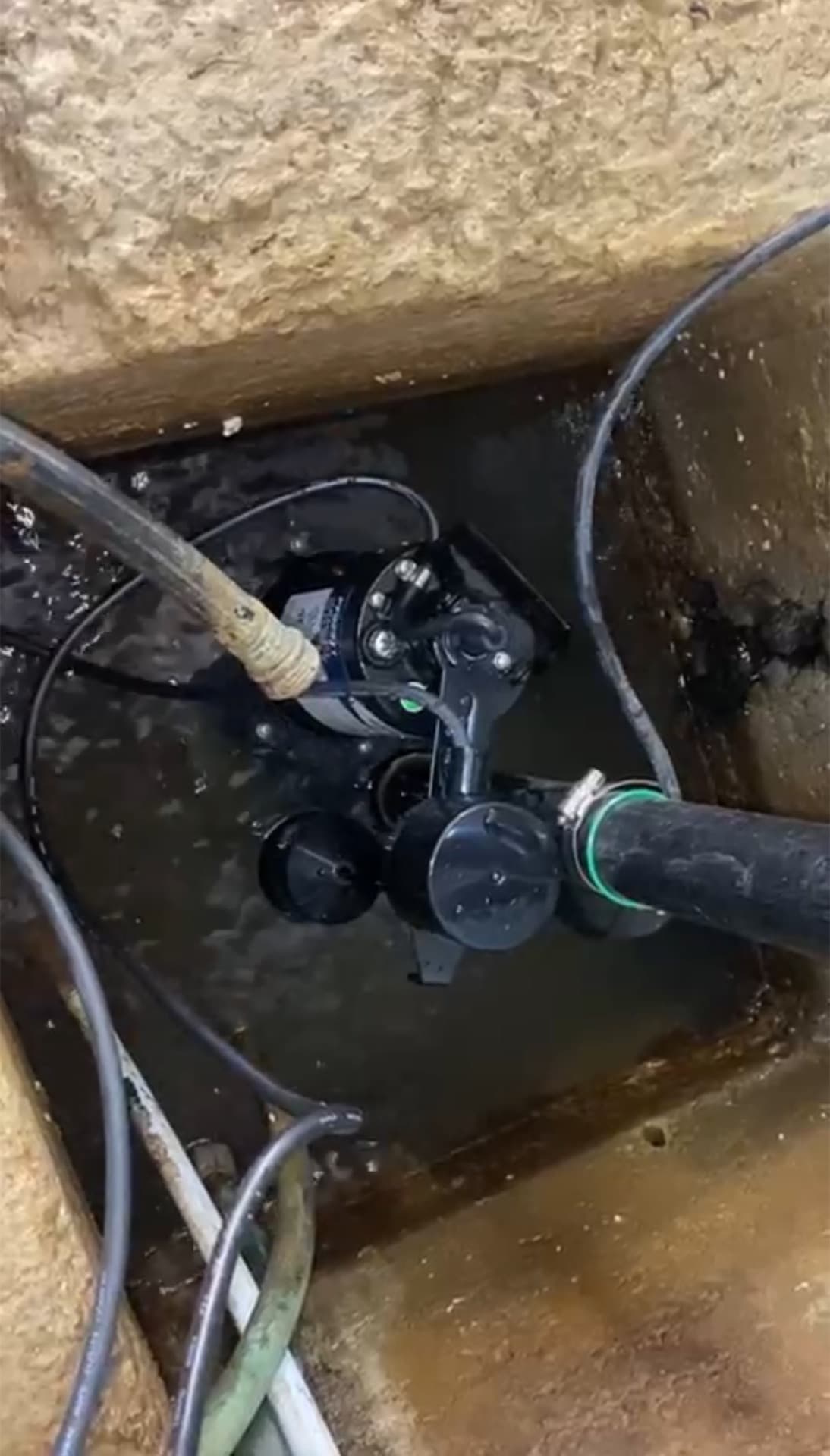
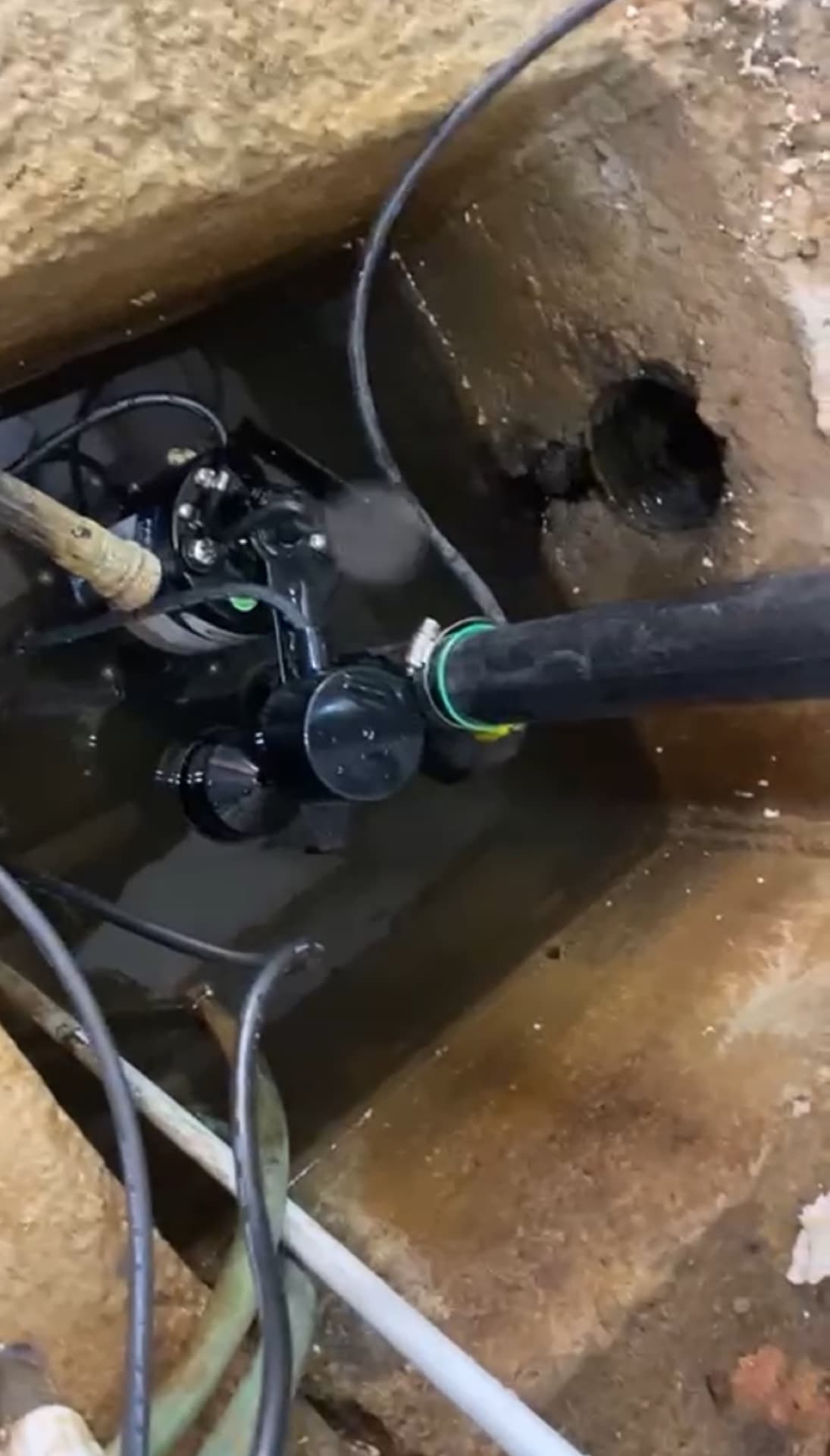
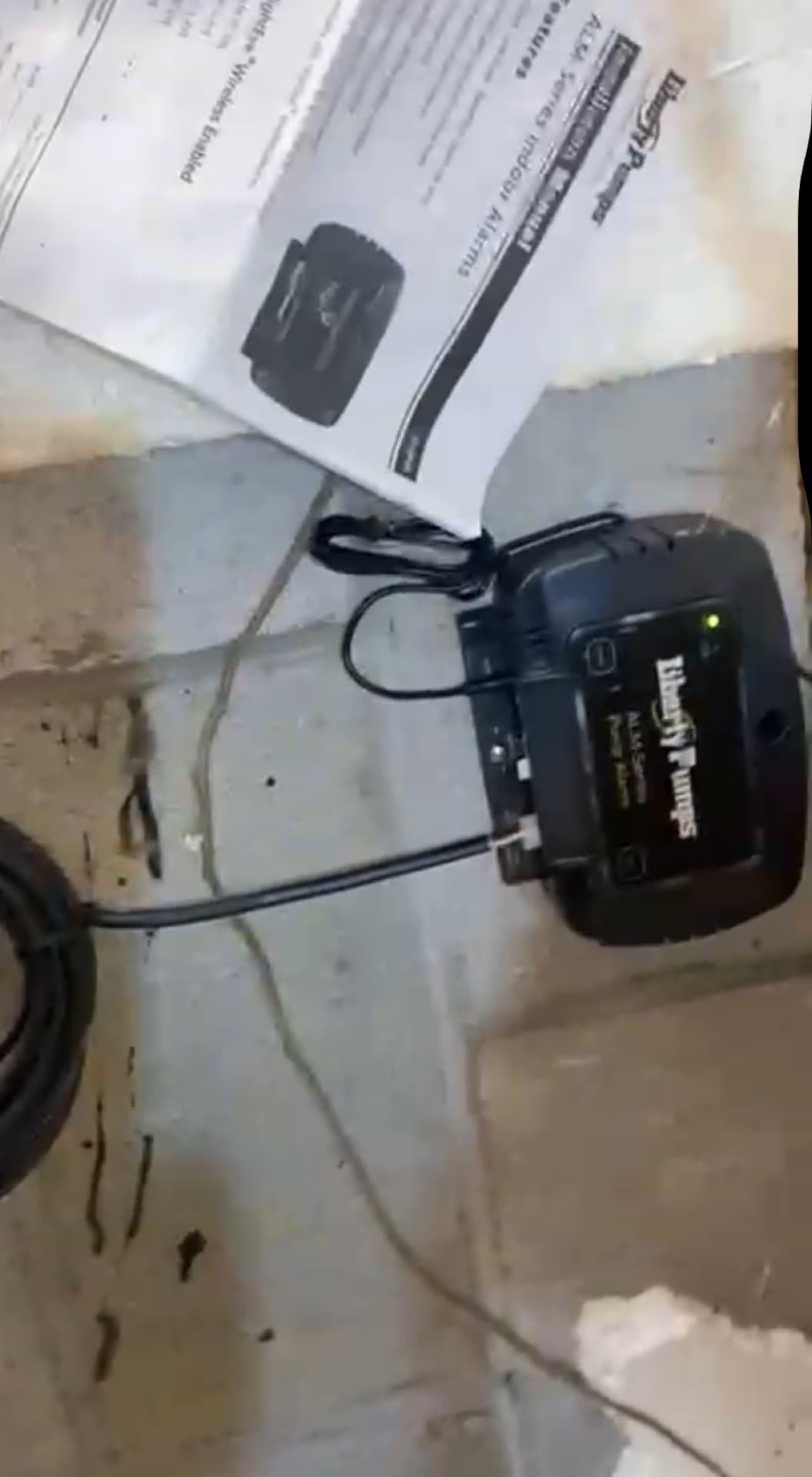
Looking for other plumbing services? See our drain cleaning, plumbing repair, and backflow prevention services.
Get a Plumbing Quote
Fill out the form and we will get back to you shortly. No obligation.
Why Choose Relica Comforts?
- Licensed & insured technicians
- Upfront pricing — no surprises
- 24/7 emergency service
- Free estimates on all installations
- 5.0 stars on Google
Frequently Asked Questions

Protect Your Basement — Call for a Sump Pump Quote.
Call us anytime for emergency HVAC and plumbing service across Barrie, Orillia, and Simcoe County.