
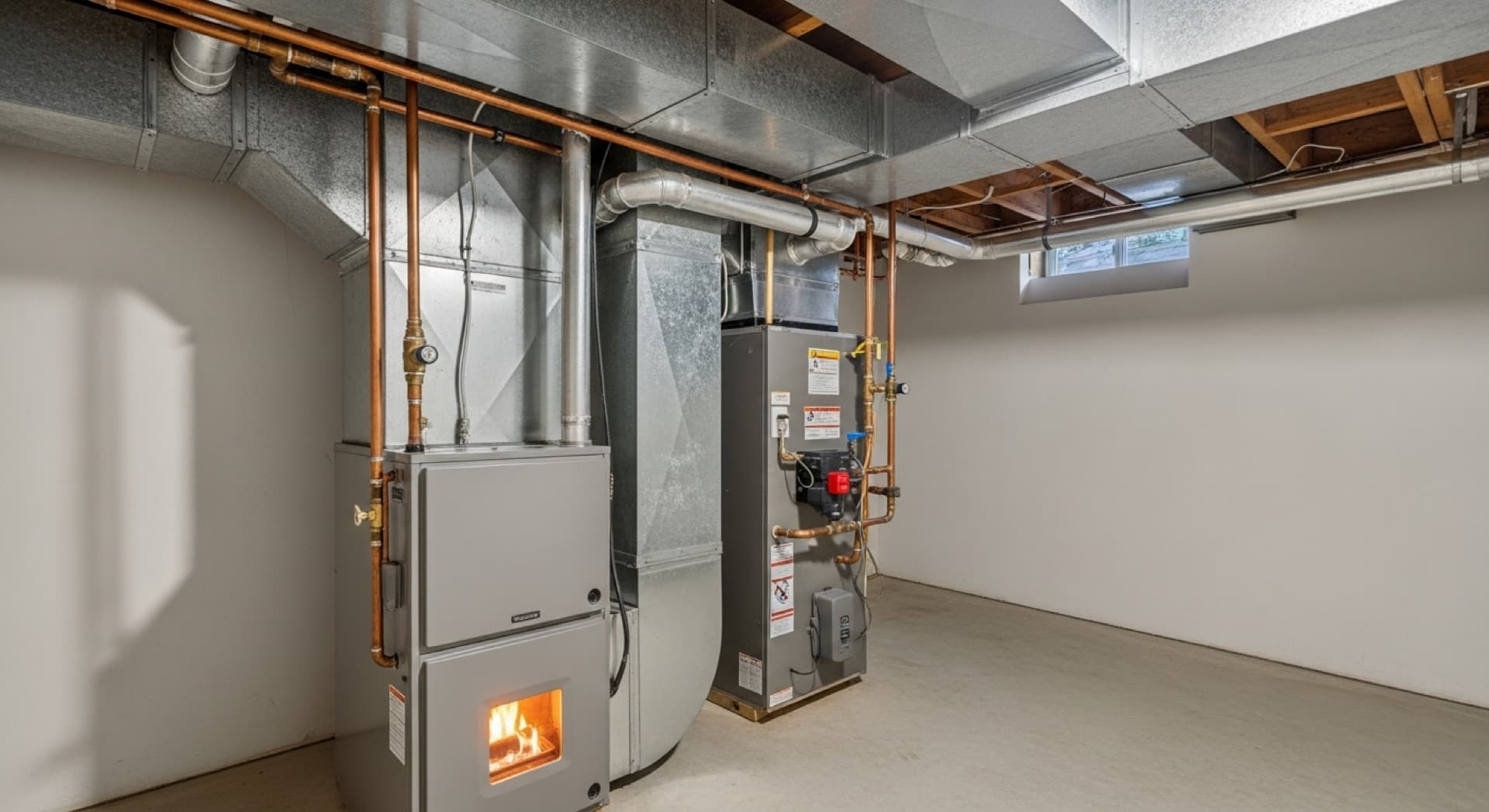
Gas Fireplace Service in Barrie, Orillia & Simcoe County
Pilot light issues, ignition repair, new installations, and annual service. Licensed technicians, upfront pricing.

Good · Better · Best
Gas Fireplaces We Install
Real models we install across the GTA, Barrie & Simcoe County — pick the tier that fits, and we confirm the exact unit at your free quote. No pressure, no upselling.
Gas Fireplaces
A direct-vent gas fireplace adds ambiance and real supplemental heat — and many keep working during a power outage. We install Napoleon fireplaces, all installed by a licensed gas technician.
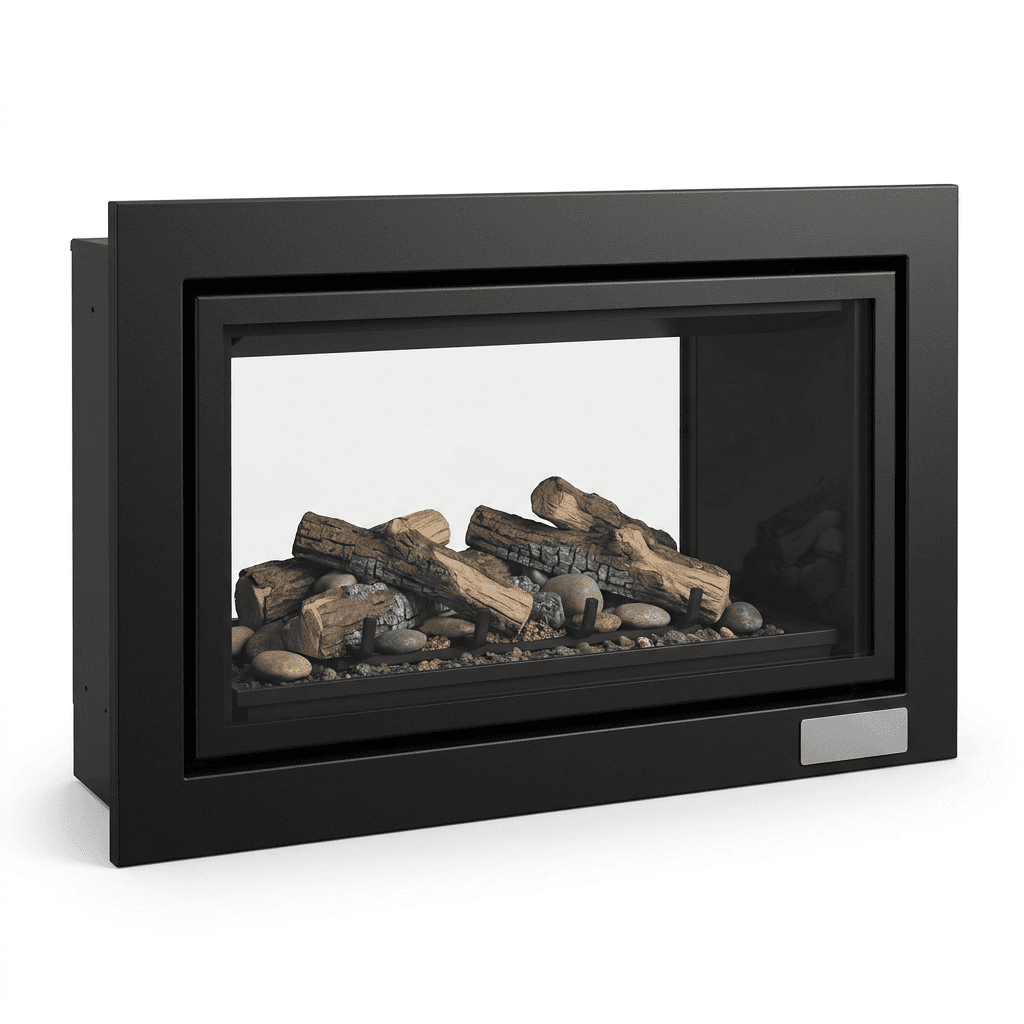
A larger, more realistic fire with a battery-backup ignition that keeps producing heat when the power is out — genuinely useful in storm-prone Simcoe County.
- Heat output
- 27,000 BTU
- Venting
- Sealed direct-vent
- Ignition
- Electronic with battery backup (works in an outage)
- Best for
- A living-room focal point with real heat
Direct-Vent Gas Fireplace
Napoleon Ascent B36
~20k BTU
Output
A clean, efficient direct-vent fireplace for most rooms.
High Definition Fireplace
Napoleon HD40
27k BTU
Output
A realistic flame, real heat, and outage-proof ignition.
Premium Gas Fireplace
Napoleon Elevation X
37k BTU
Output
The deepest, most realistic fire — and real zone heating.
We size every system to your home (CSA F280) and confirm the exact model at your free in-home quote.
A gas fireplace is two things at once: a focal point in the room and, if you pick the right one, a real source of heat that keeps working when the power is out. Which fireplace is right for you depends on whether you're retrofitting an old wood-burning firebox, framing one into a new wall, or just want a freestanding stove — and on whether you mostly want the look of a fire or genuine heat for a room or a zone of the house.
Below we lay out the choices the way we'd explain them at your kitchen table: the unit type, how it vents, what fuel it runs on, how it lights, and how much heat it actually puts out. None of it is complicated once you see it laid out, and there's no single “best” — the right answer depends on your home and what you want the fireplace to do.
Whatever you choose, a gas fireplace has to be installed by a licensed gas technician — in Ontario that work is regulated by the TSSA, and it isn't a DIY job. Relica Comforts handles new installs, conversions, and repairs across the GTA up to Barrie and Simcoe County, and we confirm the exact unit and venting that suits your home at your free quote.
Three Ways to Put a Fireplace in a Room
The unit type is mostly about where the fireplace is going and what's already there. We'll match it to your space at the assessment.
Insert
A sealed gas unit that slides into an existing masonry wood-burning fireplace. This is the popular upgrade for anyone tired of hauling wood and cleaning ash — you keep the old hearth and mantel but get a clean, controllable gas flame and far more usable heat than the open wood fire ever gave you.
Zero-clearance / built-in
A factory-built firebox framed into a new wall — no existing chimney or masonry needed. This is what goes into a renovation or a new build when you want a fireplace where there wasn't one. It vents through an exterior wall or up through the roof, so it can sit almost anywhere you can run a vent.
Freestanding stove
A standalone gas stove that sits on the floor and connects to a vent — no wall framing required. Stoves radiate heat from all sides, so they tend to throw more warmth into a room than a built-in, which makes them a good pick for a cottage, an addition, or any room you actually want to heat.
How it vents matters more than people expect
Venting is the single biggest factor in how efficient and how safe a gas fireplace is, and it's the part homeowners think about least. There are three approaches, and for almost every new install we point people to the first one.
Direct-ventis the modern standard. It's a sealed combustion system: a co-axial pipe pulls outside air in for the flame and pushes the exhaust back out through the same wall or roof penetration. Because it's sealed off from the room, it doesn't draw your heated indoor air up a chimney, it doesn't risk pulling combustion gases into the house, and it keeps far more of the heat it produces. No chimney required — it can vent straight through an exterior wall. If you're installing new, this is almost always the right call.
Natural-vent (B-vent)runs its exhaust up an existing chimney or a vertical flue and uses indoor air for combustion. It's simpler in a home that already has a chimney, but it's noticeably less efficient — a chunk of your warm room air goes up the flue. These tend to be decorative units rather than serious heaters.
Ventlessfireplaces have no flue at all and release their combustion products into the room. They're rare and restricted in many Ontario jurisdictions, and local code may not allow one at all. If you're set on a ventless unit, we'll check what's permitted in your municipality before anything else — but in most cases we'll steer you to a direct-vent model instead.
Fuel and Ignition
Two smaller decisions that affect your running cost and whether the fireplace lights in a power outage.
Natural gas or propane
If your home is on a natural gas line, that's the simplest and cheapest fuel to run. Rural properties around Simcoe County and the cottage country often aren't on gas — those homes run on propane from a tank instead. Most fireplaces are built for one or the other, and a unit usually needs a conversion kit and correct orifices to switch. We confirm your fuel and set the unit up for it.
Standing pilot or electronic ignition
A standing pilot keeps a small flame burning all the time, ready to light the burner — dead simple and it works with no electricity. Electronic (intermittent) ignition lights the pilot only when you call for heat, which saves the gas a standing pilot burns year-round. Many electronic units include a battery backup so they still light during a power outage. If outage performance matters to you, tell us — it shapes which ignition we recommend.
Looks, heat, or both?
This is the question that should drive the whole purchase. Some fireplaces are there for atmosphere — the fire is the point, and any warmth is a bonus. Others are built to genuinely heat a room or a zone of the house and take real load off your furnace. The difference shows up in two places: the BTU output the unit is rated for, and whether it has a heat-circulating blower to push warm air out into the room instead of letting it pool at the fireplace.
If heating is the goal, that's where venting comes back in. Gas fireplaces aren't rated by AFUE the way a furnace is — they use a steady-state or fireplace-efficiency rating instead. A direct-vent unit with a blower is far more efficient than a decorative B-vent model, so for real supplemental heat we point you at direct-vent, a blower, and a higher efficiency rating.
Sizing follows from that. If the fireplace is meant to heat, we match its BTU output to the size of the room — an oversized unit will run you out of the room and leave it uncomfortably hot, which is a more common mistake than undersizing. If it's mainly for ambiance, output matters less and you can choose more on looks. We work this out with you at the quote rather than guessing from square footage.
Why it matters up north
A heat source when the power goes out
This is the reason a lot of Simcoe County and cottage-country homeowners want a gas fireplace, and it's a good one. When a winter storm knocks the power out, your gas furnace stops too — its blower and electronics need electricity to run. A gas fireplace with a standing pilot, or an electronic-ignition unit with battery backup, keeps producing heat with no power at all. In a storm-prone area where outages can last hours, that's a real backstop for at least one warm room.
If outage heat is your priority, mention it at the quote. It pushes the choice toward a direct-vent unit with a standing pilot or battery-backup ignition and enough BTU output to actually warm the space you care about — and it's worth getting right before you buy rather than after.
Repair, service, or convert?
Gas fireplaces are long-lived, so most of our visits are repairs and tune-ups rather than replacements. The parts that wear are predictable: the pilot or igniter, the thermocouple and thermopile (the safety sensors that prove the flame is lit), the gas valve, the blower, and the glass gasket that seals the front. Most of those are single-visit fixes, and our technicians carry the common ones on the truck.
Because a fireplace is a combustion appliance inside your living space, we recommend an annual inspection — ideally in early fall before the season starts. It's a safety check as much as a cleaning: confirming the venting is clear, the burner and pilot are clean, and combustion is complete with no carbon monoxide spilling into the room.
And if you've still got a wood-burning fireplace you rarely use because of the work involved, converting it to a gas insert is one of the more satisfying upgrades we do — cleaner, more efficient, controllable with a switch or remote, and a genuine heat source instead of a draft up the chimney.
Gas Fireplace Services We Provide
Pilot Light Repair
Pilot light won't stay lit, keeps going out, or showing a yellow flame? We diagnose and fix the issue so your fireplace runs safely.
Ignition System Service
Electronic ignition, standing pilot, or intermittent pilot — we service all ignition types and replace faulty igniters.
Gas Valve Replacement
A malfunctioning gas valve can prevent your fireplace from lighting or cause it to shut off unexpectedly. We test and replace as needed.
Safety Inspections
We check your gas connections, venting, carbon monoxide output, and thermocouple to make sure everything is operating safely.
New Fireplace Installation
Want to add a gas fireplace to your home? We handle everything — gas line connections, venting, and unit installation.
Thermostat & Remote Issues
Wall switch, remote control, or thermostat not controlling your fireplace? We troubleshoot and repair control systems.
Venting Problems
Direct vent, B-vent, or vent-free — we inspect and repair venting systems to prevent drafts, condensation, and CO buildup.
Gas Line Connections
We run new gas lines for fireplace installations and repair existing connections. All work done to TSSA code.
How We Handle Gas Fireplace Service
Call or Book Online
Describe the issue and we'll schedule a visit at a time that works for you. Same-day service available for urgent problems.
Diagnosis & Quote
Our technician inspects your fireplace, identifies the problem, and gives you a clear price before any work begins.
Repair or Install
We complete the repair or installation to TSSA code, test everything thoroughly, and clean up before we leave.
Gas Fireplace Service — Real Work
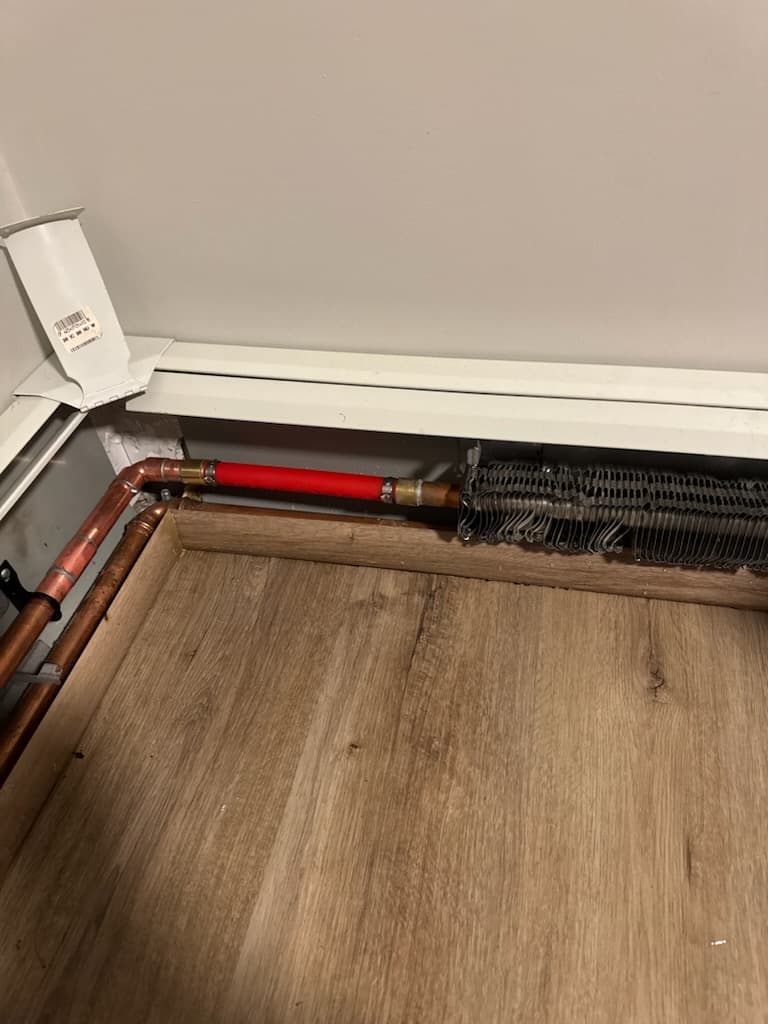
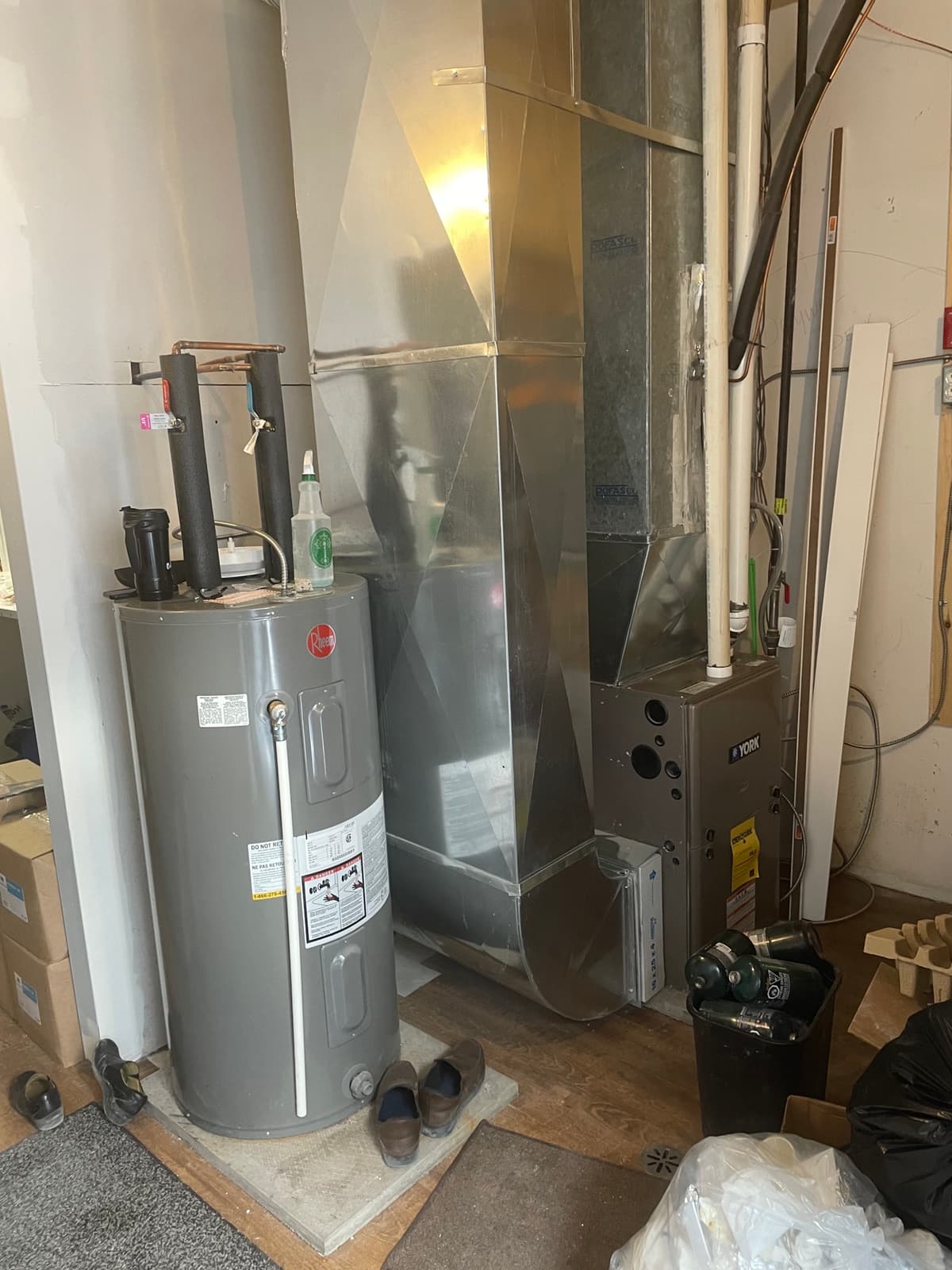
Need help with your furnace? See our furnace repair and furnace maintenance services. We also offer boiler repair and heat pump installation.
Popular areas for gas fireplace service: Barrie · Collingwood · Orillia · Gravenhurst · Huntsville · Midland
Get a Heating Quote
Fill out the form and we will get back to you shortly. No obligation.
Why Choose Relica Comforts?
- Licensed & insured technicians
- Upfront pricing — no surprises
- 24/7 emergency service
- Free estimates on all installations
- 5.0 stars on Google
Frequently Asked Questions

Gas Fireplace Trouble? We Can Help.
Call us anytime for emergency HVAC and plumbing service across Barrie, Orillia, and Simcoe County.