
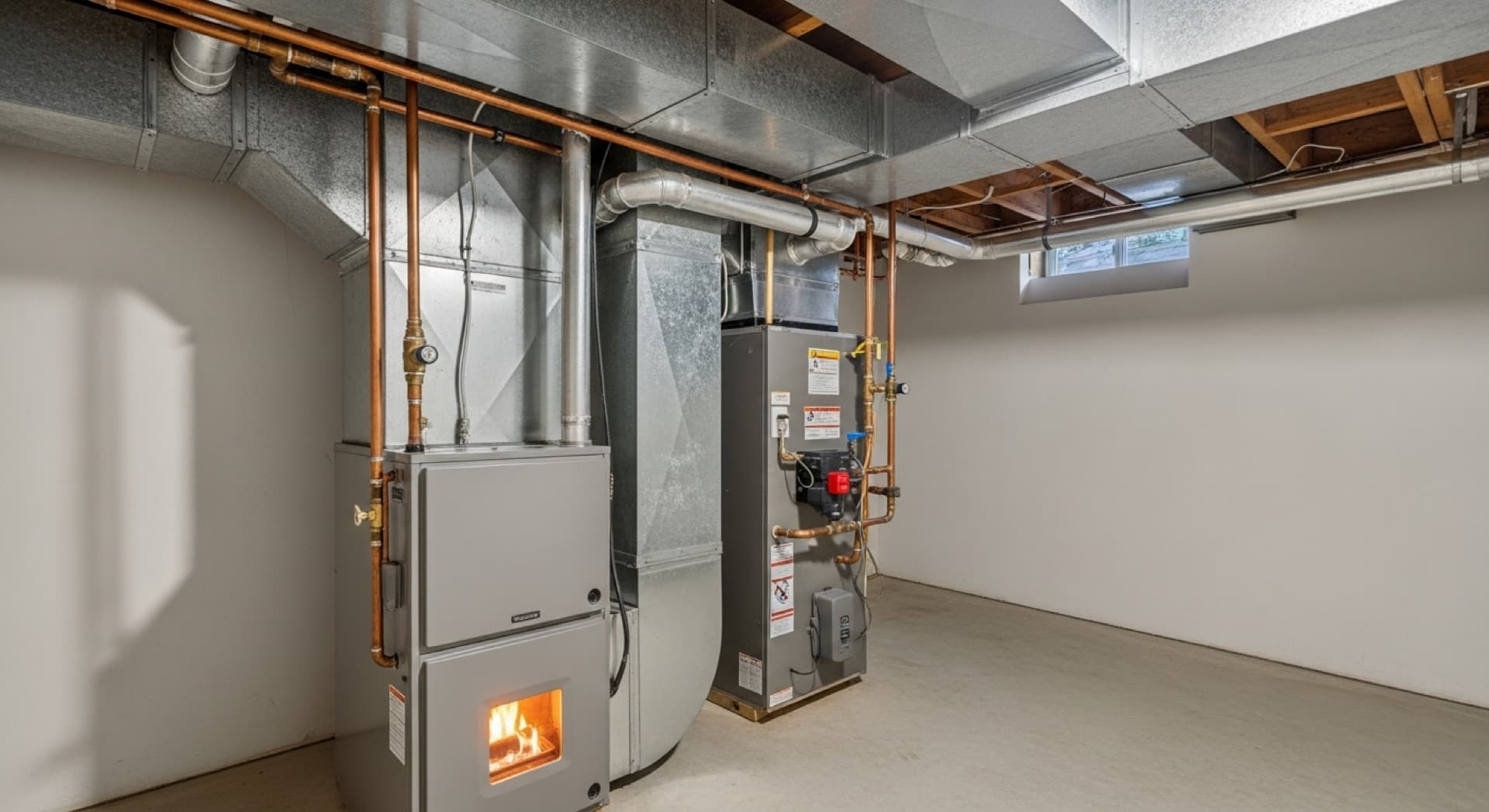
Boiler Repair in Barrie, Orillia & Simcoe County
Hot water boilers, radiators, in-floor heating — repaired by licensed technicians. 24/7 emergency service.

Good · Better · Best
Boilers We Install
Real models we install across the GTA, Barrie & Simcoe County — pick the tier that fits, and we confirm the exact unit at your free quote. No pressure, no upselling.
Combi Boilers
A condensing combi boiler heats your home and makes hot water on demand from one compact wall-mounted unit — no separate tank. We install Navien combi boilers, sized to your home and hot-water demand.
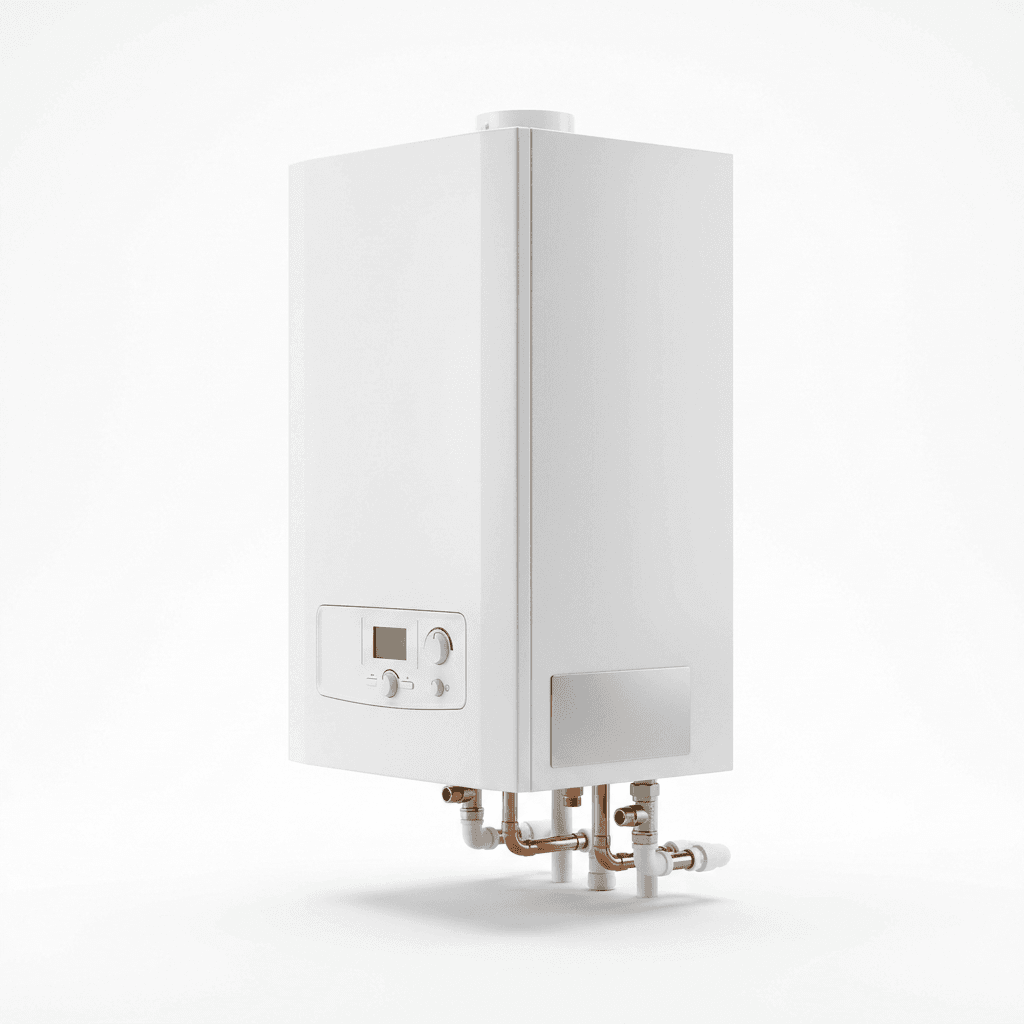
More heating output and hot-water flow for a typical detached home — comfortably runs heat plus a couple of fixtures at once. The popular middle choice.
- Efficiency
- Up to 95% AFUE, condensing
- Function
- Heat + on-demand hot water (combi)
- Heating output
- 110,000 BTU
- Best for
- Typical GTA detached homes
Condensing Combi Boiler
Navien NCB-160/060H
95%
AFUE
Compact combi heat + hot water for smaller homes and condos.
High-Output Combi Boiler
Navien NCB-240/110H
95%
AFUE
The right size for most detached homes — heat plus strong hot-water flow.
Fire-Tube Combi Boiler
Navien NFC-250/175H
95%
AFUE
Maximum output and modulation for larger, high-demand homes.
We size every system to your home (CSA F280) and confirm the exact model at your free in-home quote.
A lot of older homes from Toronto up through Barrie and Simcoe County are heated by a boiler. Instead of blowing warm air through ducts, a boiler heats water and circulates it through radiators, baseboard heaters, or in-floor radiant loops. It’s a quiet, even kind of heat, and a well-maintained system can run a long time — but it’s a different animal from a furnace, and it needs a technician who knows hydronic heating to diagnose properly.
We service the whole system, not just the boiler: the circulator pump that moves the water, the expansion tank that absorbs pressure changes, the zone valves, the radiators and radiant loops themselves. Most “my boiler is broken” calls turn out to be one of those parts rather than the boiler. We find the actual fault, quote it, and fix it — and we offer 24/7 emergency service across the GTA to Barrie, because a boiler that quits in January isn’t a wait-till-morning problem. If yours has stopped, is leaking, or is heating unevenly, call (416) 858-4744.
Repair or replace? The honest version.
Boilers are long-lived — most run 15 to 30 years, and old cast-iron units can go longer, just at low efficiency. So a repair is often the right answer. If you’ve got a sound boiler with a single fault — a circulator pump, an expansion tank, an ignition problem — fixing it is almost always the better spend, and we’ll tell you so.
Replacement starts to make sense when the repairs stack up, when the heat exchanger is cracked or badly scaled, or when you’re running an old oil or non-condensing boiler that’s burning far more fuel than a modern one would. An older unit sits around 80–85% efficient; a modern condensing boiler reaches 90–95%+. Over a long Ontario heating season, that gap is real money — and it’s the main reason an old oil boiler is worth replacing rather than nursing along. We give you the repair number and the replacement number and let the trade-off speak for itself.
If You Are Replacing: Your Boiler Options
A new boiler comes down to a few real decisions. We install Navien combi boilers (above), and we’ll walk you through which setup fits your home at your free quote.
Combi or boiler-plus-tank?
A combi makes your heat and your hot water on demand from one wall-mounted unit — no separate tank, less wasted floor space. It suits smaller homes, townhouses, and condos with modest hot-water demand. A system boiler plus an indirect tank is the call for larger homes or households that run two showers at once and need more stored hot water.
Condensing & modulating
A condensing boiler reclaims heat from the exhaust to reach 90–95%+ AFUE and vents through PVC — the modern standard. A modulating (“mod-con”) boiler also ramps its output up and down to match demand, which is the best for efficiency, comfort, and avoiding short-cycling. We design the system to stay in its efficient, condensing range.
Fuel & distribution
Natural gas where it’s available; propane is common in rural Simcoe; older homes on oil are good conversion candidates. On the heating side, we work with what you have — old Toronto radiators, baseboard, or in-floor radiant — and confirm it can run at the lower water temperatures a condensing boiler prefers.
Sizing a new boiler the right way
A boiler should be sized to the home, not to a rule of thumb. We work from a proper heat-loss calculation (CSA F280) and check it against what your radiators or loops can actually emit. An oversized boiler is the common mistake — it short-cycles, firing up and shutting down constantly, which wears the unit and wastes fuel.
Getting the match right is also what keeps a condensing boiler condensing. The efficiency only shows up when the system runs at the lower water temperatures it’s designed for, so we set it up so your emitters and the boiler agree. That’s the difference between a high-efficiency boiler that earns its rating and one that just looks efficient on the spec sheet.
Warranties
On a new boiler, coverage usually runs a 10-year-to-lifetime warranty on the heat exchanger depending on the model, 5–10 years on parts, and a labour warranty from us as the installer. Most manufacturer warranties require registration to hold — we handle that as part of the install.
Common Boiler Problems We Fix
These are the calls we get most. The honest truth is that the boiler itself is often fine — the fault is a pump, a valve, trapped air, or scale. We diagnose first, then quote.
No Heat or No Hot Water
The radiators stay cold or the hot water’s gone. Most often it’s a failed circulator pump, a thermostat or control fault, or a gas valve — we trace it to the part rather than guessing.
Uneven Heating
Some radiators hot, others cold. Usually air trapped in the system or a zone valve that’s stopped opening — a flow problem, not the boiler itself.
Leaking Boiler
Water at the boiler, the pipes, or the pressure-relief valve. Leaks get worse quickly and can point to pressure or corrosion issues, so they’re worth looking at sooner than later.
Pressure Problems
Pressure running too high or too low — often a waterlogged or failed expansion tank. Both ends cause poor performance and can trip a safety lockout.
Pilot or Ignition Faults
A pilot that won’t stay lit, or a unit that won’t fire. Common causes are the thermocouple, the igniter, or a combustion issue — all fixable once we’ve pinned down which.
Kettling & Noise
Banging, gurgling, whistling, or that rumble called kettling. It usually means scale built up on the heat exchanger or trapped air — and hard water makes scaling worse over time.
Our Boiler Repair Process
Book a Call
Call us or fill out our online form. We respond fast — even on weekends and holidays.
Get a Free Quote
Our licensed technician diagnoses the issue and gives you an upfront price. No hidden fees.
We Fix It
We complete the work with quality parts, clean up after ourselves, and back it with a warranty.
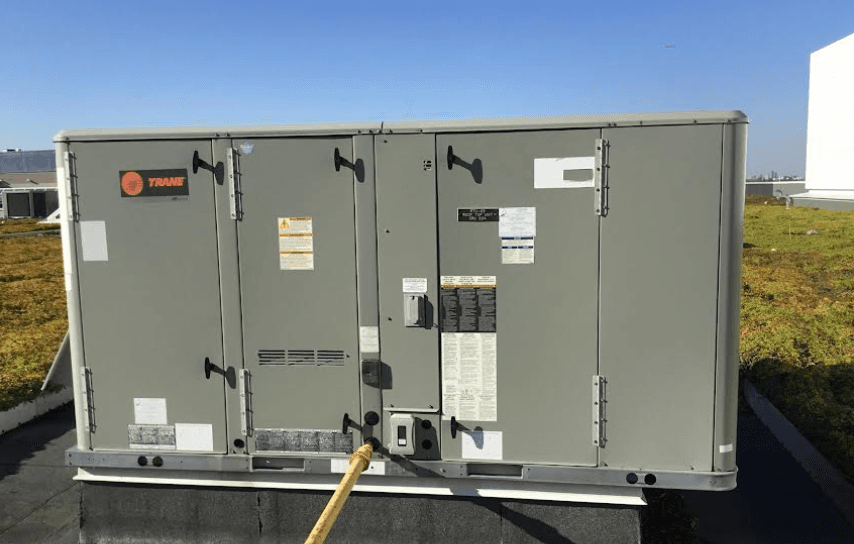
Boiler & Radiator Repair — Real Work
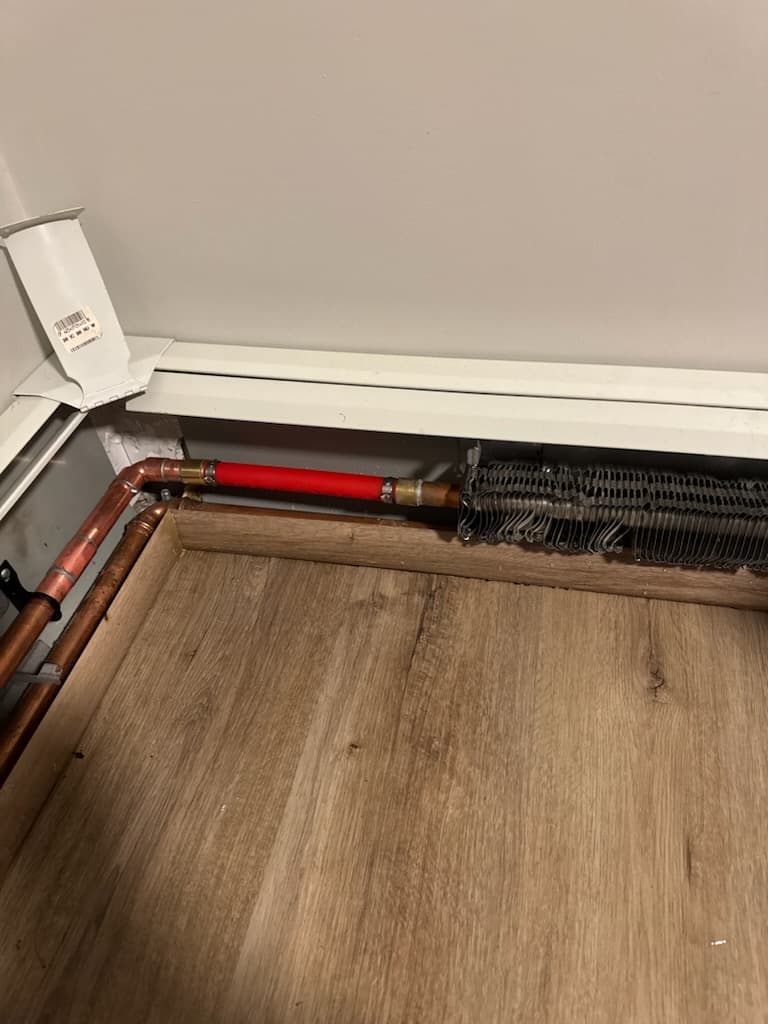
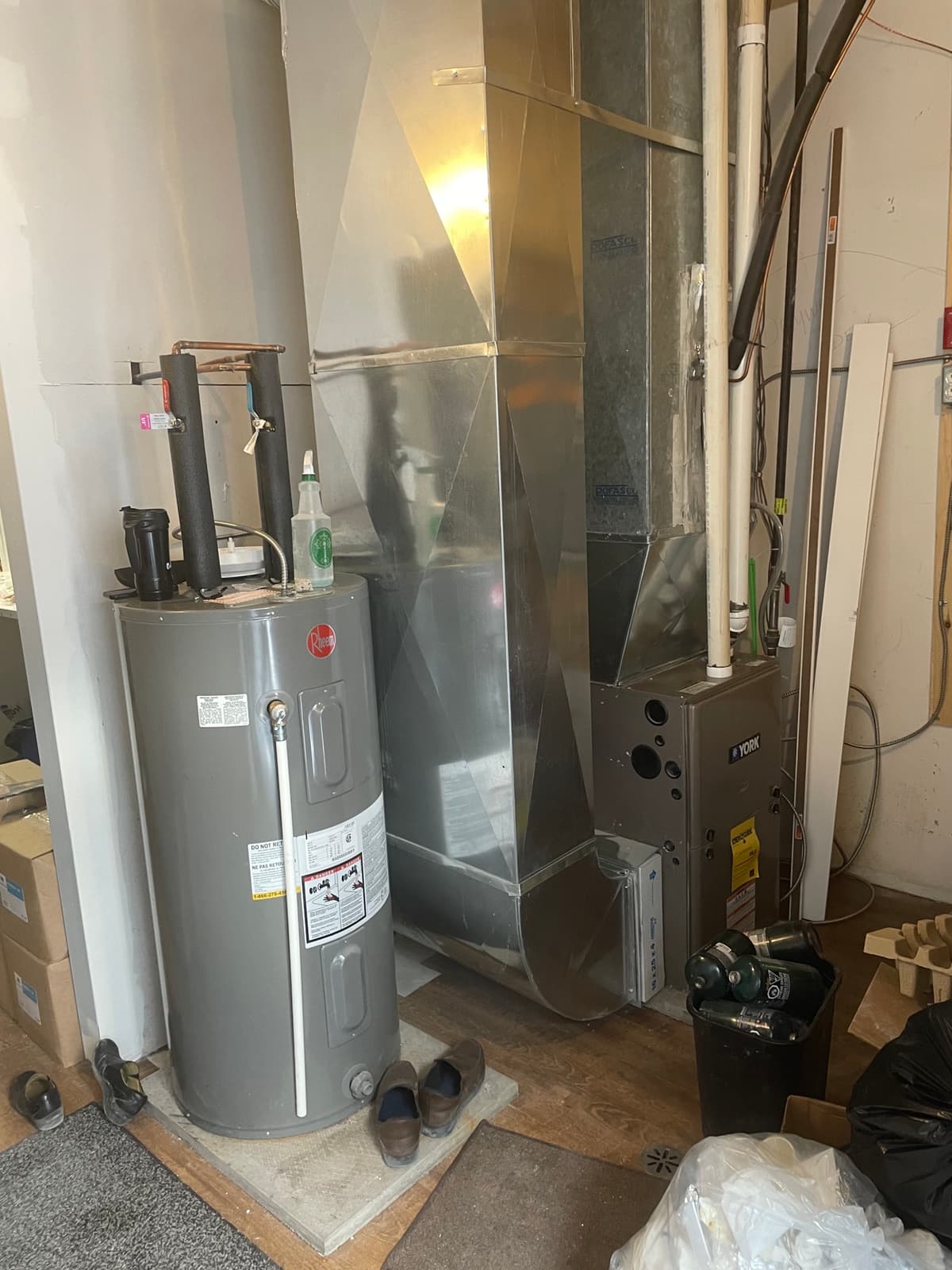
One last thing worth knowing if you heat with a boiler: you almost certainly have no ducts, which is why a lot of these homes have no central cooling. A ductless mini-split is the clean way to add air conditioning without tearing into walls — it cools (and can heat) room by room while your boiler keeps doing the heating.
Also see our furnace repair, heat pump installation, and water heater installation services.
Popular areas for boiler repair: Barrie · Orillia · Collingwood · Midland · Gravenhurst · Huntsville
Get a Heating Quote
Fill out the form and we will get back to you shortly. No obligation.
Why Choose Relica Comforts?
- Licensed & insured technicians
- Upfront pricing — no surprises
- 24/7 emergency service
- Free estimates on all installations
- 5.0 stars on Google
Frequently Asked Questions

Boiler Not Working? Call Us 24/7.
Call us anytime for emergency HVAC and plumbing service across Barrie, Orillia, and Simcoe County.